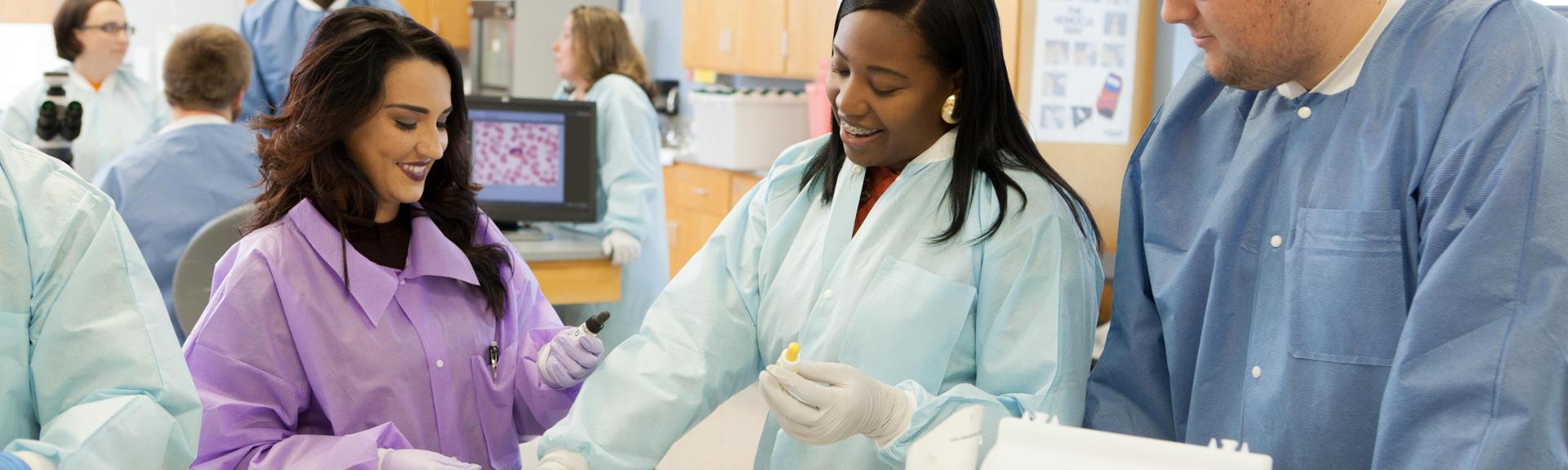
Programs of Learning
Discover our exciting credit and non-credit options below!
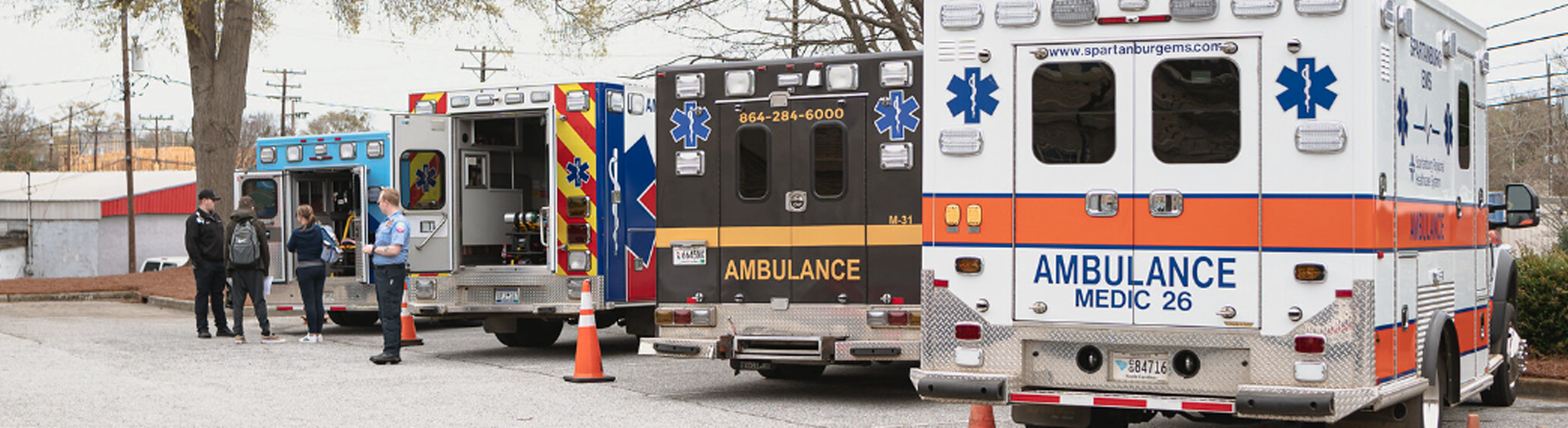
Emergency Medical Services - General Technology, AAS
Students in the Emergency Medical Services-General Technology AAS program will receive training in advanced prehospital medical skills through extensive didactic coursework, psychomotor skills labs, clinical rotations, field experience, and internships.
- Associate of Applied Science (AAS)
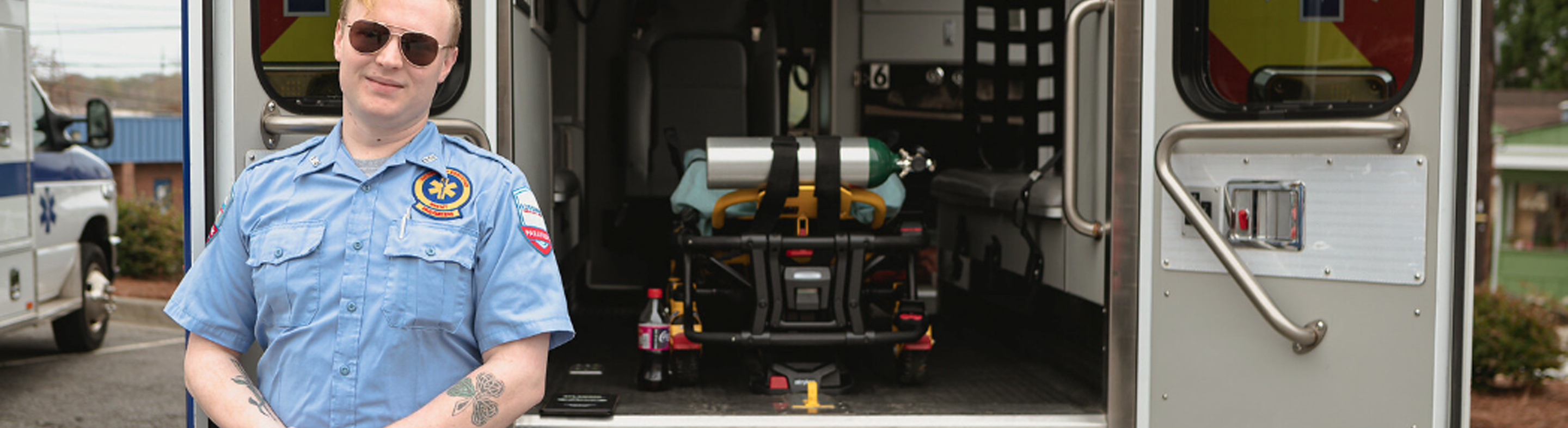
Emergency Medical Technician Certificate
This academic credit program provides instruction and practice in dealing with medical and traumatic emergencies.
- Certificate
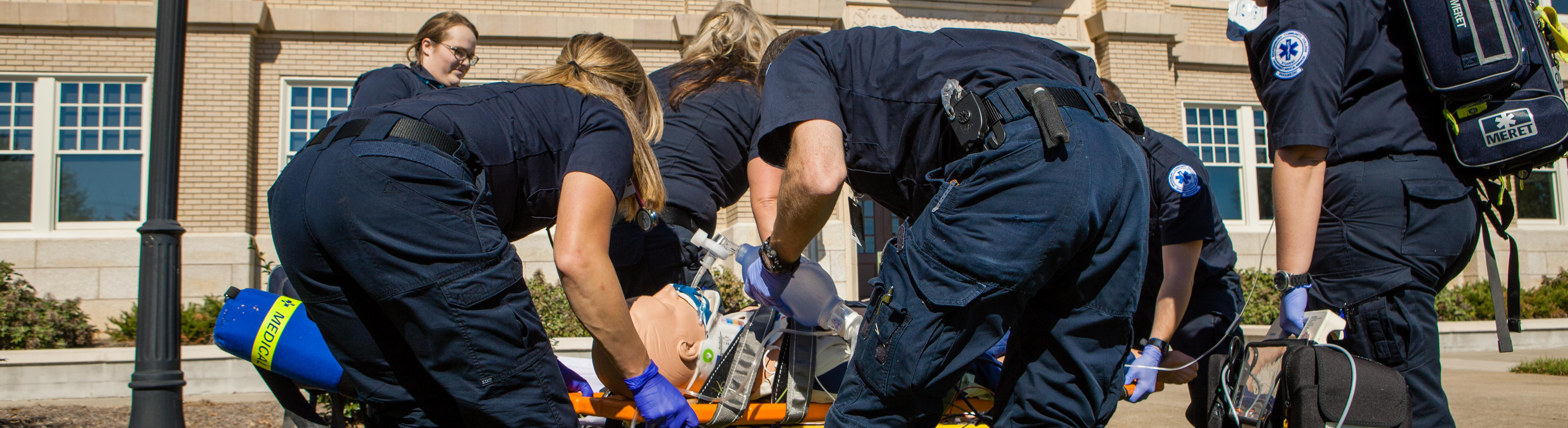
Paramedic Certificate
Students in the Paramedic Certificate program will receive training in advanced pre-hospital medical skills through extensive didactic coursework, psychomotor skills labs, clinical rotations, field experience and internship.
- Certificate


Basic Life Support + CPR
You will learn how to manage and become certified in adult, child, and infant CPR.
More Info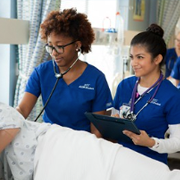
Certified Nursing Assistant (CNA)
Certified nursing assistants perform activities of daily living under the supervision of nursing staff. Employment opportunities include positions in skilled nursing facilities, hospitals, medical offices, assisted living facilities and home health agencies.
More Info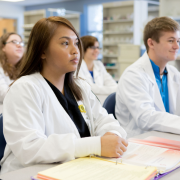
EKG Technician
This 72-hour course is designed to prepare students for electrocardiogram performances and procedures.
More Info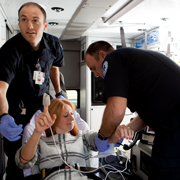
Emergency Medical Technician (EMT)
This non credit program provides instruction and practice in dealing with medical and traumatic emergencies.
More Info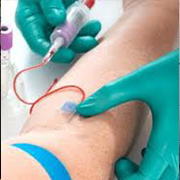
ASCP Phlebotomy Technician
The Phlebotomy Technician (PBT) certification through the American Society for Clinical Pathology (ASCP) demonstrates that an individual has the knowledge, skills, and commitment to perform blood collection safely and effectively. ASCP is recognized nationally and internationally as a leading authority in laboratory certification and standards.
More Info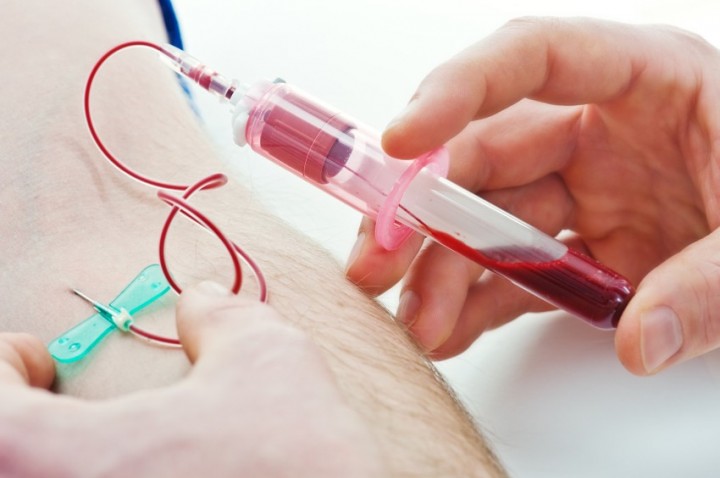
NHA Phlebotomy Technician
Students will learn to follow universal precautions, tie tourniquets, identify veins, and demonstrate knowledge and use of equipment necessary for drawing blood. Students will be able to identify appropriate tubes and labels for tests, prep the site, and perform venipunctures and finger sticks. Books are included and will be available in class.
More InfoInterested in Emergency Medical Services? Get more information here:
CLICK HERE FOR MORE INFORMATION